Chlamydia Rapid Test Swab/Urine
Chlamydia Rapid Test to detect chlamydia trachomatis in female cervical swab, male urethral swab and male urine specimens
Description
Product information
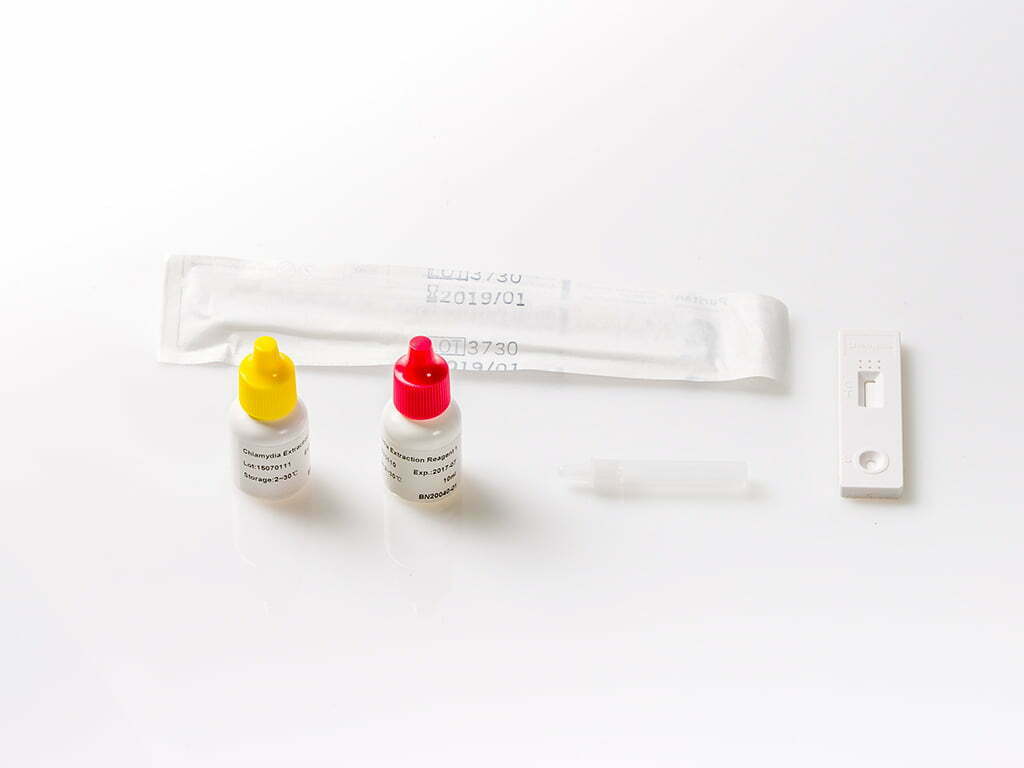
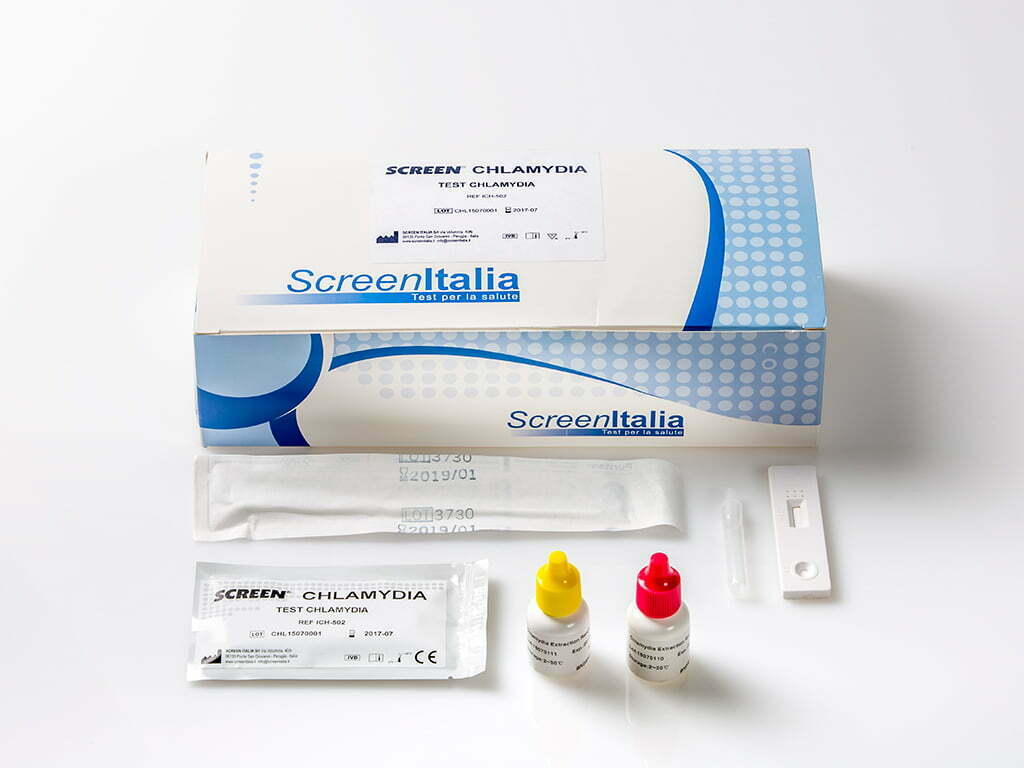
The Chlamydia Rapid Test a sensitive, specific and rapid test for the direct Chlamydia detection from endocervical or urethral swabs specimens, either from men or women, which is suitable for the physician use or for running.
Advantages of Chlamydia test
- Easy to perform
- No complex sample collection needed
- Accurate test result
General information
Chlamydia trachomatis is the most common cause of sexually transmitted venereal infection in the world. It is composed of elementary bodies (the infectious form) and reticulate or inclusion bodies (the replicating form). Chlamydia trachomatis has both a high prevalence and asymptomatic carriage rate, with frequent serious complications in both women and neonates. Complications of Chlamydia infection in women include cervicitis, urethritis, endometritis, pelvic inflammatory disease (PID) and increased incidence of ectopic pregnancy and infertility.1 Vertical transmission of the disease during parturition from to neonate can result in inclusion conjunctivitis or pneumonia. In men, complication of Chlamydia includes urethritis and epididymitis. At least 40% of the nongonococcal urethritis cases are associated with Chlamydia infection. Approximately 70% of women with endocervical infections and up to 50% of men with urethral infections are asymptomatic.
Traditionally, Chlamydia infection has been diagnosed by detection of Chlamydia inclusions in tissue culture cells. Culture method is the most sensitive and specific laboratory method, but it is labor intensive, expensive, long (18-72 hours) and not routinely available in most situations. The Chlamydia Rapid Test Cassette (Swab/Urine) is a rapid test to qualitatively detect the Chlamydia antigen from female cervical swab, male urethral swab and male urine specimens.
The Chlamydia Rapid Test Cassette (Swab/Urine) is a qualitative, lateral flow immunoassay for the detection of Chlamydia antigen from female cervical, male urethral and male urine. In the test, antibody specific to the Chlamydia antigen is coated on the test line region of the test. During testing, the extracted antigen solution reacts with an antibody to Chlamydia that is coated onto particles.
Additional information
| Product name | Chlamydia Rapid Test Swab/Urine |
|---|---|
| Detection | Chlamydia Genus Specific Lipopolysaccharide (LPS) antigen |
| Type | |
| Sample Type | |
| Pack Size | |
| Format | |
| Analyte Detection |
Related products
-
Multi Urine Pipet 5
Multi Pipet 5 Drug Urine Rapid Test detects detects: OXY100, EDDP300, PCP25, TML100, K2-30 -
Single Urine Panel Cocaine
Single Panel Drug Urine Rapid Test detects: COC300 -
Multi Urine Panel 10
Multi Panel 10 Drug Urine Rapid Test detects COC300, AMP500, MET500, THC50, MTD300, MOP300, PCP25, BAR300, BZO300, TCA1000 -
Multi Urine Pipet 10
Multi Pipet 10 Drug Urine Rapid Test detects: AMP500, COC300, THC50, MET500, MOP300, BZO300, TCA1000, MDMA500, MTD300, BUP10