Description
Product information
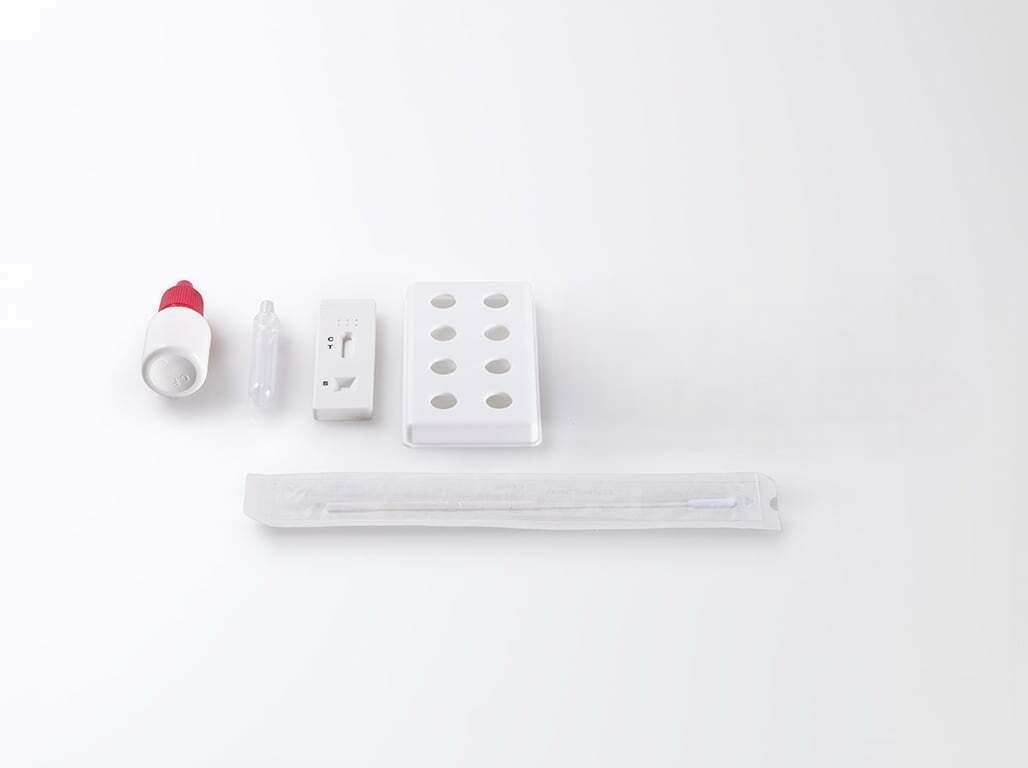
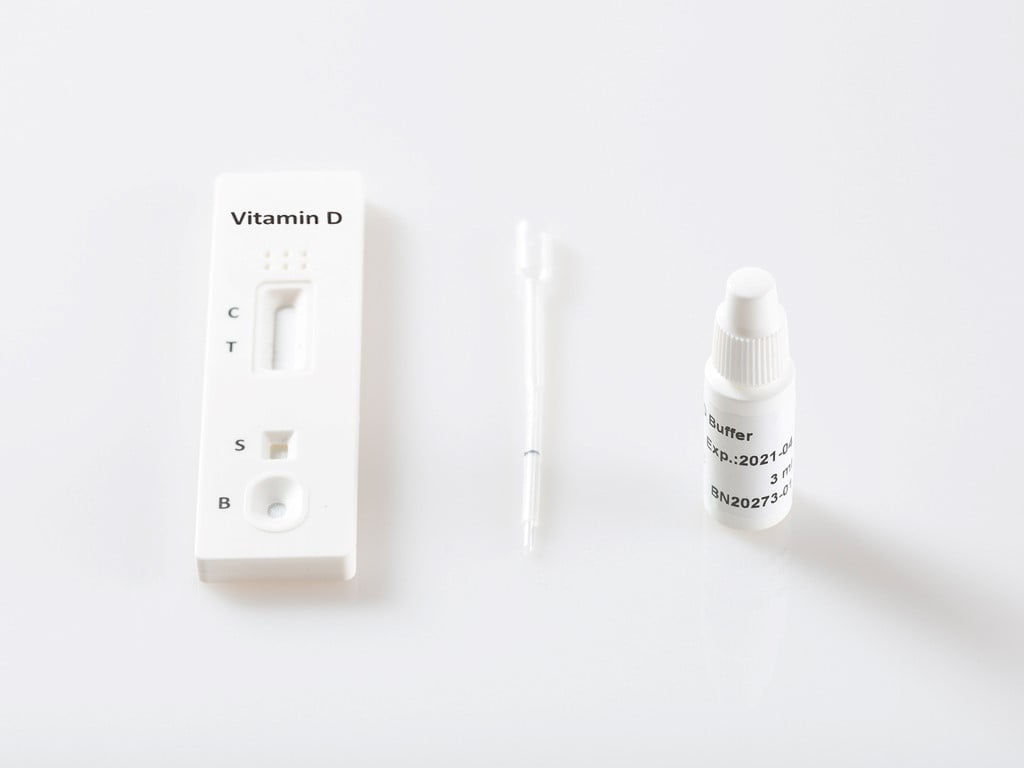
The Vitamin D Rapid Test is an immunochromatographic rapid test for the semi-quantitative detection of 25-hydroxyvitamin D (25 (OH) D) in human fingerstick Whole blood at a cut-off concentration of 30 ± 4ng/mL. This assay provides a preliminary diagnostic test result and can be used to screening for Vitamin D deficiency.
Advantages of Vitamin D test
- Easy to perform
- No complex sample collection needed
- Accurate test result
General information
Vitamin D refers to a group of fat-soluble secosteroids responsible for increasing intestinal absorption of calcium, iron, magnesium, phosphate and zinc. In humans, the most important compounds in this group are vitamin D3 and vitamin D2. This is naturally produced in the human skin through the exposure to ultraviolet light and Vitamin D2 is mainly obtained from foods.
Vitamin D is transported to the liver where it is metabolized to 25-hydroxy Vitamin D. In medicine, a 25-hydroxy Vitamin D blood test is used to determine Vitamin D concentration in the body. The blood concentration of 25- hydroxy Vitamin D (including D2 and D3) is considered the best indicator of Vitamin D status. Vitamin D deficiency is now recognized as a global epidemic. Virtually every cell in our body has Receptors for Vitamin D, meaning that they all require “Sufficient” Level of Vitamin D for adequate functioning. The health risks associated with Vitamin D deficiency are far more severe than previously thought.
Vitamin deficiency has been linked to various serious diseases: Osteoporosis, Osteomalacia, Multiple Sclerosis, Cardiovascular Diseases, Pregnancy Complications, Diabetes, Depression, Strokes, Autoimmune Diseases, Flu, Different Cancers, Infectious Diseases, Alzheimer, Obesity and Higher Mortality etc. Therefore, now detecting (25-OH) Vitamin D level is considered as “Medically Necessary Screening Test”, and maintaining sufficient levels not just to improve bone health, but to improve overall health and well-being.
The Vitamin D test is an immunoassay based on the principle of competitive binding. During testing, the mixture migrates upward on the membrane chromatographically by capillary action. The membrane is pre-coated with 25 (OH) D antigens on the test line region of the strip. During testing, 25 (OH) D present in the specimen will compete with 25 (OH) D on the test line for limited amount of anti-25 OH Vitamin D antibodies in the conjugate.
The higher concentration of 25 (OH) D in the specimen, the lighter would be the T line. The result will be read according to Color card provided with the kit. To serve as a procedural control, a colored line will always appear in the control line region indicating that proper volume of specimen has been added and membrane wicking has occurred.
Additional information
| Product name | Vitamin D Rapid Test |
|---|---|
| Detection | 25-hydroxyvitamin D (25 (OH) D) in human Whole blood |
| Type | |
| Sample Type | |
| Pack Size | |
| Format | |
| Analyte Detection |
Related products
-
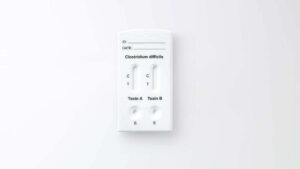
Clostridium Difficile Toxin A/B Rapid Test
The Clostridium difficile Toxin A+ Toxin B Combo Rapid Test Cassette (Feces) is a rapid chromatographic immunoassay for the qualitative detection of Clostridium difficile Toxin A and Toxin B antigens in the human feces specimen. -
CRP Rapid Test
The CRP Semi-Quantitative Rapid Test Cassette to detect CRP in whole blood, serum or plasma -
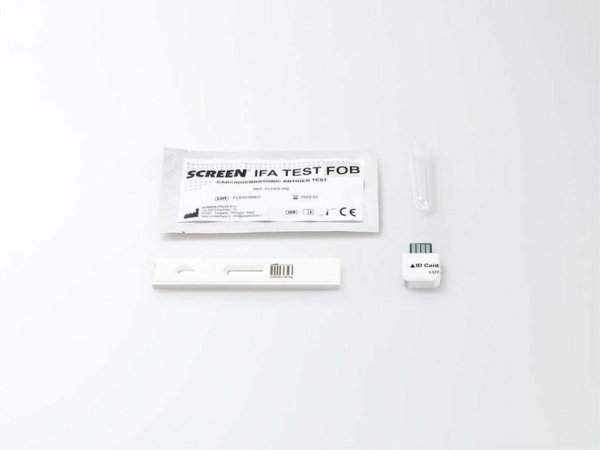
IFA FOB Test
Immunofluorescence FOB (Feces) Quantitative Rapid Test -
RSV Rapid Test
The RSV Rapid Test Cassette (Nasopharyngeal Swab/Nasal Aspirate) to detect Respiratory Syncytial Virus antigen in nasopharyngeal swab or nasal aspirate specimens